
Title
Ústí nad Labem, Czech Republic
Sections
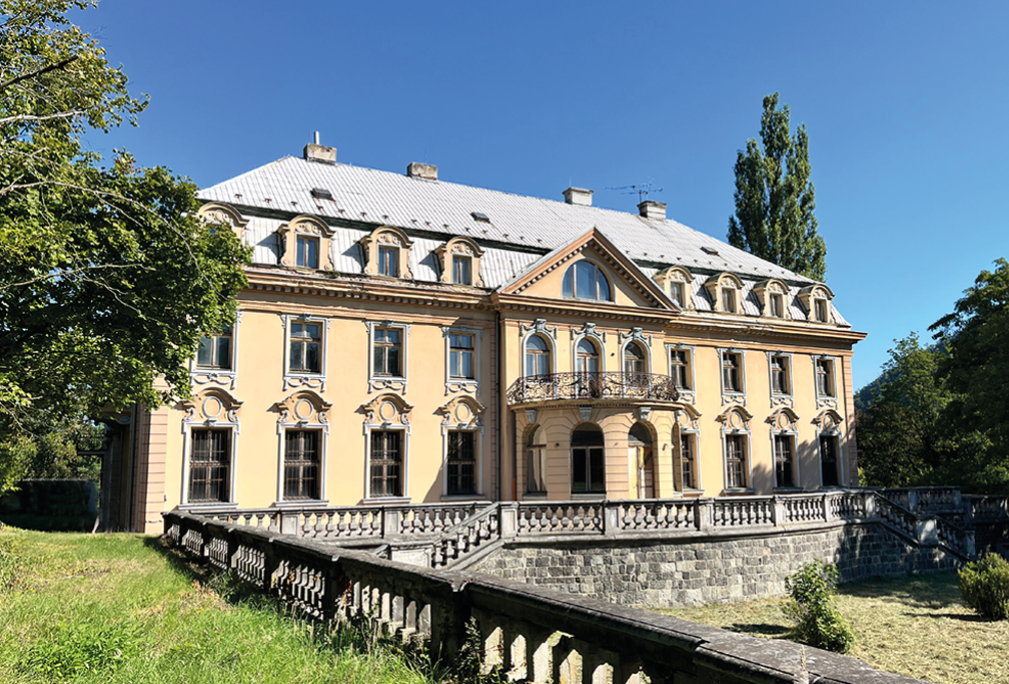
The Elbeberge House (“Vila Schichtova”) was built in 1925 in the Neo-Baroque style by architect Paul Brockardt for industrialist Heinrich Schicht and his wife Martha. In 1945, the house was expropriated by the state and temporarily used as a military and teacher training school. In 2021, descendants of the Schicht family acquired the house at auction. It has been a listed building since 2014. The property includes a park of approximately 3.5 hectares, as well as a gatehouse and a garage at the lower end of the grounds.
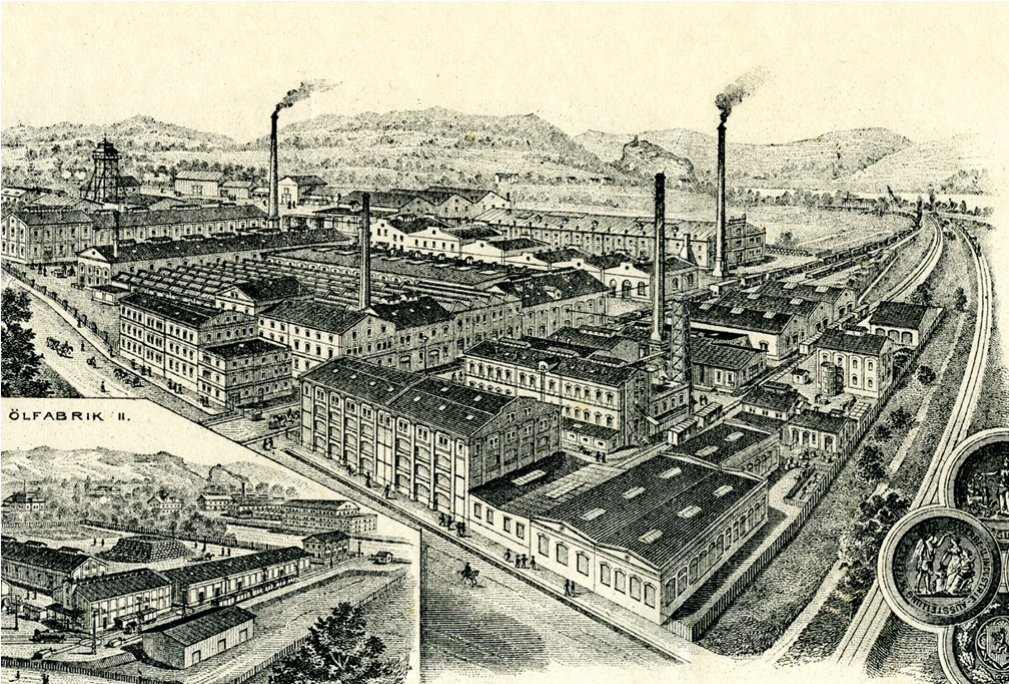
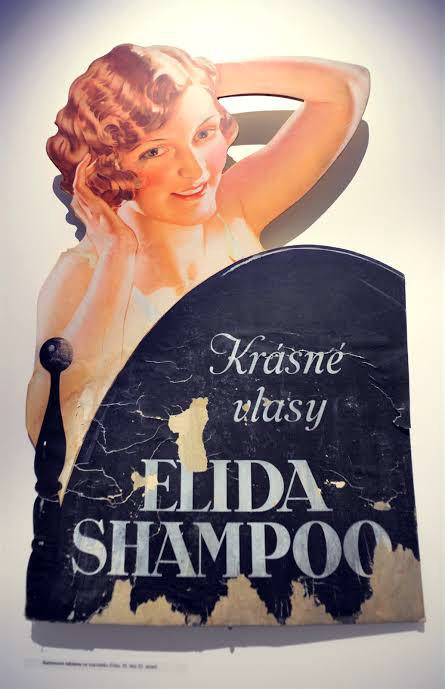
Georg Schicht AG in Ústí nad Labem (Aussig), was of the largest soap, fat, and chemical manufacturing enterprises in the Austro-Hungarian Empire, whose president was Heinrich Schicht. . The company, which specialized in the production of soaps ("Schicht Soap") and fats ("Ceres"), merged with other European family businesses in 1928 to form the Unilever Group. Among its best-known brands, besides Schicht Soap, were "Kalodont" (toothpaste) and "Elida" (cosmetics). The Austrian companies "Khuner," "Apollo Candles," and "A. Sarg's Sohn & Co." were acquired by Schicht and integrated into the Schicht Group.
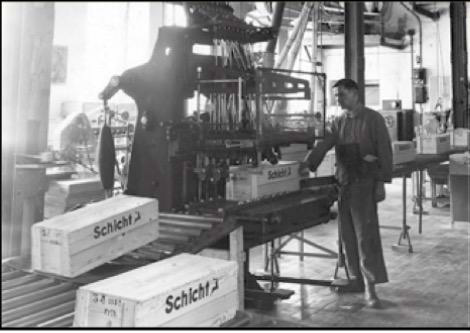
The Most Famous Soap in the Former Czechoslovakia
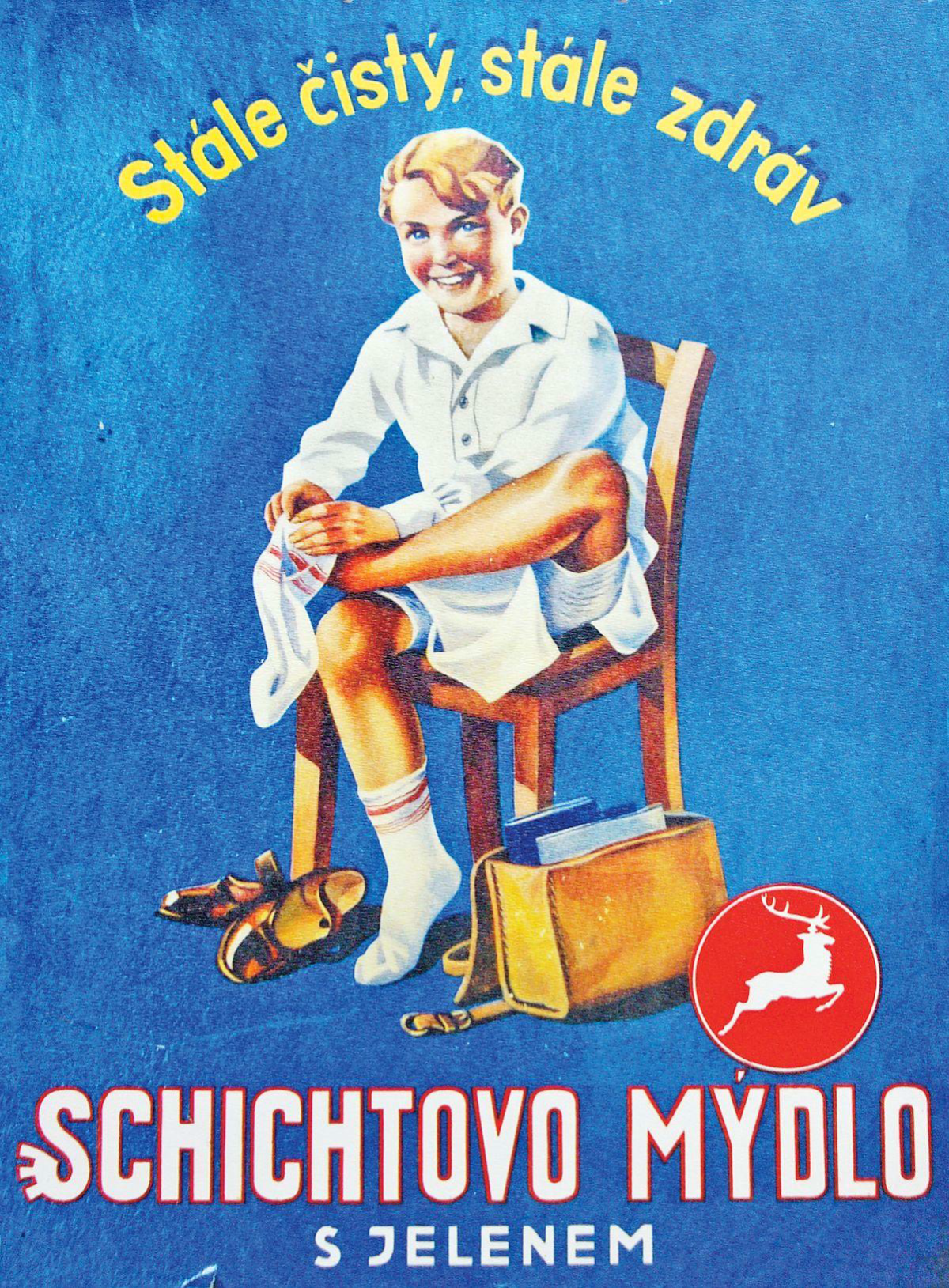
Cleanliness is half the battle”—perhaps you, too, say this to your children and grandchildren, thinking you’re quoting an age-old folk saying. Yet, without realizing it, you’re actually quoting what is perhaps our most famous advertising slogan of all time. It was coined in the last century by the advertising department of the Ústí-based company Schicht to promote sales of its famous “deer” soap. During the Austro-Hungarian Empire, the yellowish bar of soap featuring a relief of a leaping stag was an indispensable part of every cleanliness-loving housewife’s household. The Schicht company registered the trademark featuring the stag as early as 1891, making it one of the oldest continuously used trademarks in the Czech Republic. However, the famous logo had already appeared on soap earlier.
Its origins are linked to the very beginnings of the company, specifically to the year 1848, when the Schichts obtained a license to manufacture soap in Rynoltice near Liberec. The factory in Ústí was built in 1882, and soap production helped the Schichts turn it into the largest food and drugstore enterprise in all of Europe. As early as 1929, the Schicht factories became one of the cornerstones of the multinational drugstore conglomerate Unilever, which still exists today.
Its origins are linked to the very beginnings of the company, specifically to the year 1848, when the Schichts obtained a license to manufacture soap in Rynoltice near Liberec. The factory in Ústí was built in 1882, and soap production helped the Schichts turn it into the largest food and drugstore enterprise in all of Europe. As early as 1929, the Schicht factories became one of the cornerstones of the multinational drugstore conglomerate Unilever, which still exists today.
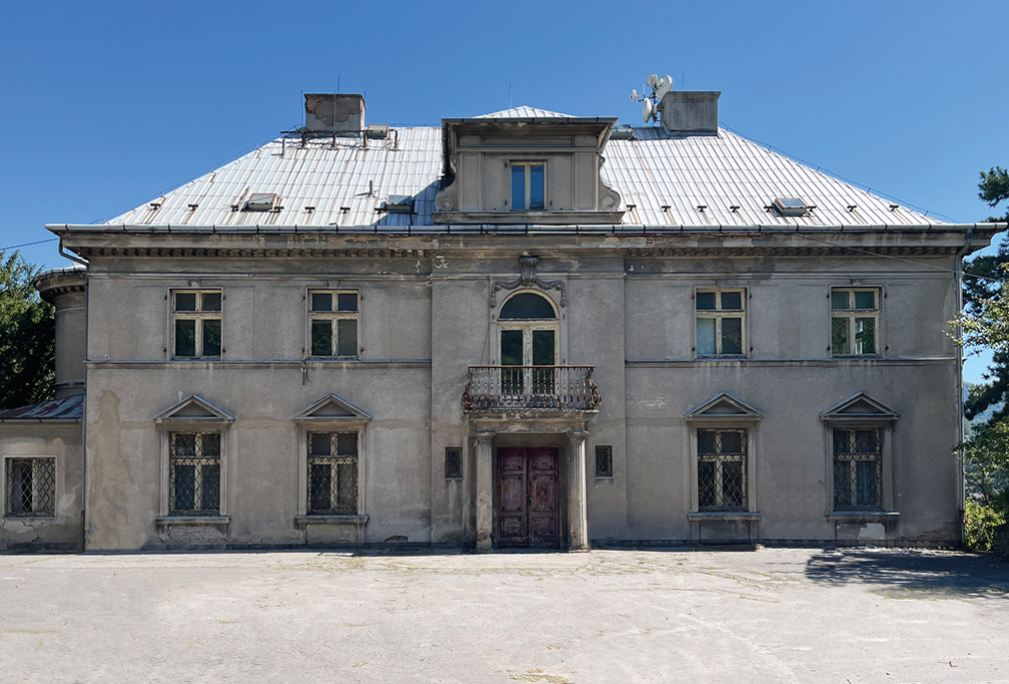
The Hönig Villa (“Vila Josefa Höniga”) was also built by architect Paul Brockardt in 1926 and is adjacent to “Vila Schichtova”. It belonged to industrialist Josef Hönig, owner of a tannery and manufacturer of leather straps. Expropriated in 1945 and used by the state as a military and teacher training school, it too was acquired at auction in 2021 by descendants of the Schicht family. The house has been a listed historical monument since 2014. The property includes a park of approximately 1.5 hectares, a gatehouse at the lower end of the grounds, and a prefabricated apartment building constructed in the 1960s as a student residence.
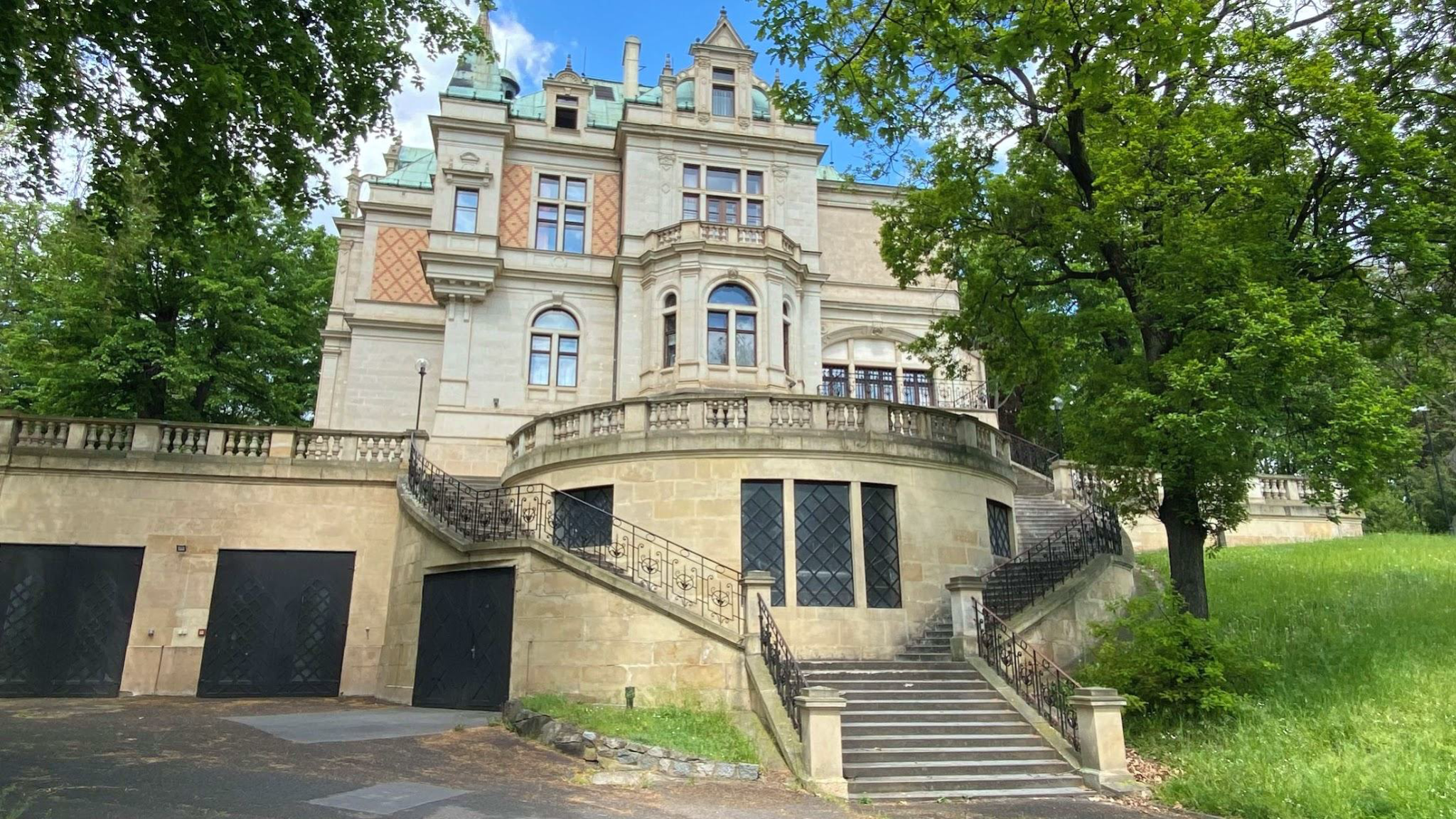
The Wolfrum Villa is a Neo-Renaissance palace-style residence in Ústí nad Labem, currently used by Czech Radio. The building is protected as a cultural monument.
The villa was built between 1897 and 1899 for the industrialist Carl Friedrich Wolfrum, based on a design by the Viennese architects Hans Miksch and Julian Niedzielski. It is situated on a terraced plot below the city center, surrounded by a sprawling English-style park featuring a grotto, a swimming pool, a former waterworks, and various smaller architectural elements.
After 1945, the villa was taken over by Czech Radio, which remains headquartered there to this day. Since 2005, the building has been listed as a cultural monument (registration number 43346/5-4943). The villa also houses a research lending library and reading room of the Ústí nad Labem Regional Library. The building is open to the public during Czech Radio North’s Open House Days and during European Heritage Days.
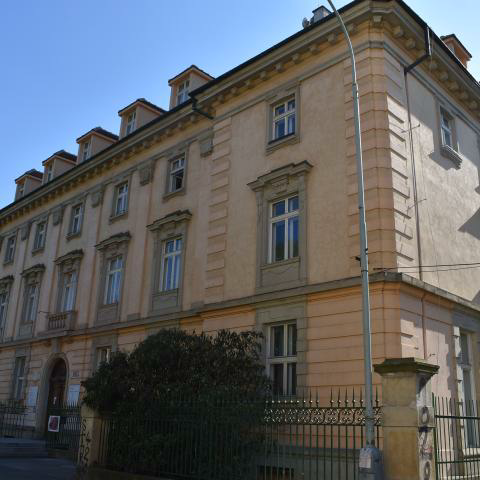
Villa of Hans Weinmann is a beautiful villa from 1930, built for coal baron Hans Weinmann. Today, it houses the Library of the Ústecký kraj Region. Protected as a cultural monument, the villa features a neoclassical facade and a richly decorated interior with wood panelling and unique elements, including a fireplace reportedly from Pompeii. After the emigration of the original owners during World War II, the villa experienced a complex history, serving various purposes from an army headquarters to a KSČ school. Today, visitors can explore the preserved building, which recalls the life and fate of the Weinmann family.